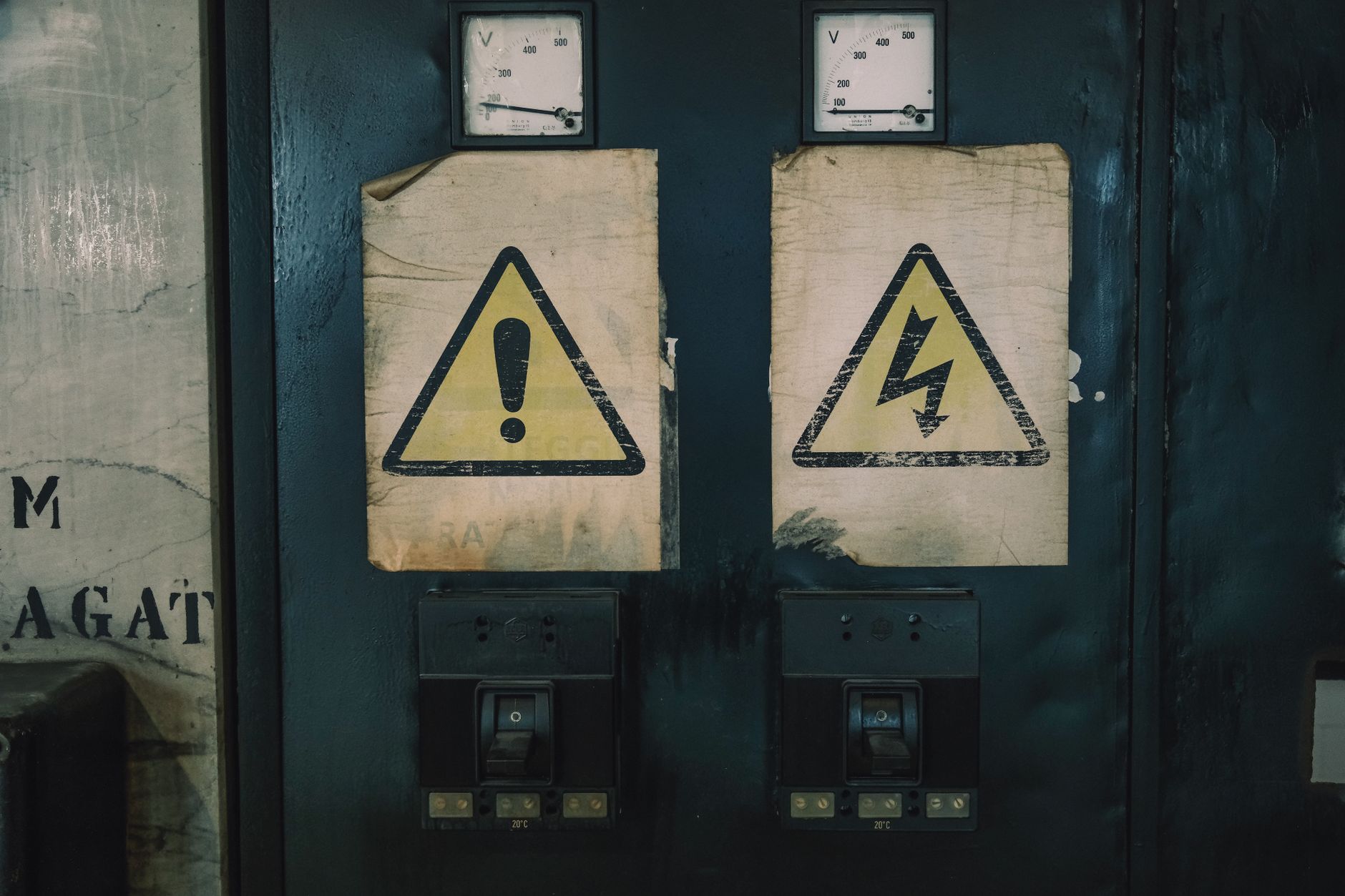
If you work with industrial equipment, you’ve likely seen labels like “NEMA 4X” or “IP66” stamped on an enclosure. These ratings tell you how well a cabinet, junction box, or control panel can withstand dust, water, and other environmental hazards. But what do the numbers and letters actually mean, and why should you care?
Choosing the wrong enclosure rating can lead to equipment failure, safety hazards, and costly downtime. In this guide, we’ll break down NEMA and IP ratings in plain language so you can select the right enclosure for your application with confidence.
What Are NEMA Ratings?
NEMA stands for the National Electrical Manufacturers Association. NEMA ratings are standards used primarily in North America to classify how well an enclosure protects electrical equipment against environmental conditions.
Unlike IP ratings, NEMA standards cover more than just water and dust. They also address things like corrosion resistance, gasket aging, and protection against ice formation. That’s why NEMA ratings are often considered more comprehensive for industrial environments.
Common NEMA Ratings Explained
- NEMA 1: Indoor use only. Protects against falling dirt and limited contact with internal components.
- NEMA 3R: Outdoor protection against rain, sleet, and snow. Not dust-tight.
- NEMA 4: Indoor or outdoor use. Protects against windblown dust and rain, splashing water, and hose-directed water.
- NEMA 4X: Same as NEMA 4, plus corrosion resistance (often made of stainless steel or non-metallic materials).
- NEMA 12: Indoor use. Protects against dust, falling dirt, and dripping non-corrosive liquids.
- NEMA 13: Similar to NEMA 12, but also protects against oil and coolant seepage.
For most food processing, chemical, or outdoor installations, NEMA 4X is the go-to choice because it handles both moisture and corrosion.
What Are IP Ratings?
IP stands for Ingress Protection. This rating system comes from the International Electrotechnical Commission (IEC) and is used widely in Europe and around the globe.
An IP rating consists of two digits. The first digit indicates protection against solid objects (like dust and tools), and the second digit indicates protection against liquids (like water).
Decoding the IP Numbers
Here’s a quick breakdown of the most common IP ratings you’ll see:
- IP54: Limited dust protection and protection against splashing water.
- IP65: Dust-tight and protected against water jets from any direction.
- IP66: Dust-tight and protected against powerful water jets.
- IP67: Dust-tight and protected against temporary immersion in water.
- IP68: Dust-tight and protected against continuous immersion in water.
The higher the number, the greater the protection. For example, an enclosure rated IP66 is suitable for washdown environments, while IP68 is designed for submersion.
Key Differences Between NEMA and IP Ratings
While both systems measure environmental protection, they aren’t interchangeable. Here’s why:
- Scope: NEMA covers additional factors like corrosion, gasket aging, and ice formation. IP ratings focus only on solid and liquid ingress.
- Testing: NEMA testing is often more stringent and application-specific. IP testing is standardized but narrower in focus.
- Regional Use: NEMA is dominant in North America, while IP is more common internationally.
That said, there is some overlap. For instance, a NEMA 4 enclosure is roughly equivalent to an IP66 rating, but not exactly. Always check the manufacturer’s specifications for your specific application.
How to Choose the Right Enclosure Rating
Selecting the right rating depends on where and how your equipment will be used. Ask yourself these questions:
- Will the enclosure be indoors or outdoors? Outdoor installations typically require NEMA 3R, 4, or 4X, or IP65 and above.
- Is there exposure to chemicals or corrosive materials? Choose NEMA 4X or stainless steel enclosures.
- Will the area be washed down with hoses? Look for NEMA 4 or IP66 ratings.
- Is dust a concern? NEMA 12 or IP65+ will keep dust out.
- Could the enclosure be submerged? Only IP67 or IP68 will do.
It’s also wise to consider future needs. If your facility might expand or change processes, choosing a higher rating now can save you from replacing enclosures later.
Why It Matters for Safety and Performance
Industrial environments are tough. Moisture, dust, chemicals, and temperature swings can wreak havoc on sensitive electrical components. A properly rated enclosure:
- Prevents short circuits and electrical fires
- Extends the lifespan of your equipment
- Reduces maintenance costs and downtime
- Ensures compliance with safety regulations
Ignoring enclosure ratings is a gamble you don’t want to take. The cost of a failed panel far outweighs the price of a properly rated enclosure.
Conclusion
Understanding NEMA and IP ratings is essential for anyone specifying or maintaining industrial enclosures. While NEMA offers a broader scope of protection, IP ratings provide a clear, internationally recognized standard for dust and water resistance.
By matching the rating to your environment and application, you’ll keep your equipment safe, your operations running, and your team protected.
Need help selecting the right enclosure for your project? Contact Silver Eagle Industries today. Our team of experts can guide you through the options and deliver industrial solutions built to last.