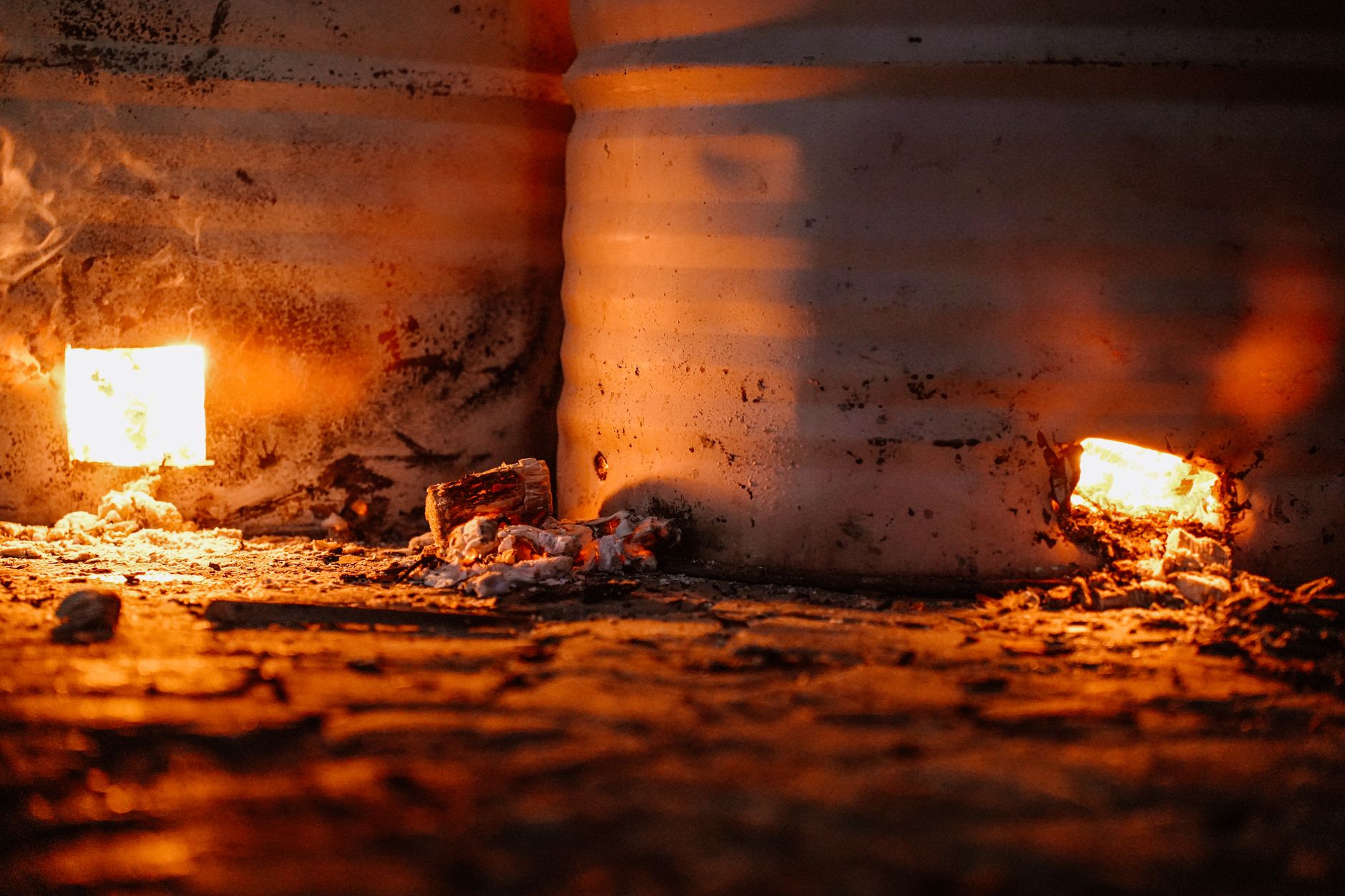
Industrial heaters operate in amongst the toughest circumstances possible– too much temperature levels, chemical attack, thermal cycling, and mechanical anxiety. On the coronary heart of each heating system’s dependability is its refractory cellular lining. Select the suitable products and established it properly, and likewise you obtain years of trustworthy solution. Obtain it incorrect, and likewise you deal with unexpected closures, protection risks, and pricey fixings.
On this details, we’ll walk using the crucial point parts in refractory lining selection and share practical techniques to quit unfortunate failing in your commercial heating system.
Why Refractory Cellular Lining Selection Issues
The refractory lining offers a variety of important abilities in a commercial heating system. It secures the steel covering from too much heat, shields to improve energy efficiency, and includes liquified products and gases. A well-selected lining straight effects functional uptime, gas intake, and workplace protection
Regretfully, lots of heating system failings hint once again to bad material selection or dissimilar functioning presumptions. Comprehending your heating system’s certain environment is tip one in the direction of obtaining it correct.
Crucial Element in Choosing the Appropriate Refractory Products
No solitary refractory help each software application. Selection depends on a careful security of thermal, chemical, and mechanical needs. Consider these parts:
- A lot of functioning temperature level: Suit the refractory’s temperature level position to your best continual scenario, not merely the common.
- Chemical environment: Slag, liquified metal, and flue gases can attack certain products. Silica, alumina, and magnesia-based refractories every withstand totally various chemistries.
- Thermal cycling: Heating systems that warmth and funky persistently desire products with too much thermal shock resistance.
- Mechanical masses: Abrasion from billed products and mechanical impact need thick, wear-resistant cellular linings.
- Setting: Oxidizing, decreasing, or vacuum cleaner circumstances impact which refractories remain protected.
Widespread Refractory Products Sorts
Comprehending the concept courses assists slim your options:
- Fireclay and alumina refractories: Versatile and economical for affordable temperature levels and typical heating system objectives.
- Silica refractories: Remarkable for high-temperature glass heaters and coke stoves, nonetheless fragile to thermal shock.
- Magnesia and dolomite: Fantastic for key steelmaking atmospheres the area resistance to key slags is very important.
- Chromite and spinel refractories: Durable chemical resistance for requiring non-ferrous and concrete objectives.
- Monolithic and castable refractories: Give layout adaptability and easier established for difficult geometries.
Widespread Root Causes Of Refractory Cellular Lining Failing
Also the best products can fall short if circumstances aren’t taken care of properly. Identifying the daily failing settings assists you manage origin sensibly than indicators.
- Thermal shock: Rapid temperature level modifications cause splitting and spalling, especially in thick products.
- Chemical deterioration: Slag infiltration and gas responses frequently liquify the lining.
- Mechanical abrasion: Billing scrap, moving parts, and products distribute wear down surface areas in time.
- Incorrect established: Poor development joints, inadequate healing, or wrong securing cause very early failings.
- Getting Too Hot: Surpassing layout temperature levels speeds up placed on and may cause architectural collapse.
Avoidance Techniques That Prolong Cellular Lining Life
Quiting refractory failing is more affordable than fixing it. An aggressive approach integrates practical layout, disciplined procedure, and typical assessment.
1. Layout and Establish Greatest Practices
Collaborate with proficient designers to match lining layout to accurate functioning circumstances. Assurance appropriate development allocations, best support spacing, and relevant healing and dry-out routines. Speeding up established is most likely among one of the most common root causes of unfortunate failing.
2. Monitoring Working Scenarios
Maintain continuous cooling and heating fees throughout the refractory’s resistance. Avoid abrupt temperature level spikes and lower meaningless thermal cycling. Operators should certainly regard the limits of the lining and regard them.
3. Carry Out Typical Evaluations
Arranged assessments capture placed on earlier than it develops into disastrous. Look for splits, spalling, blistering places on the covering, and slag accumulation. Thermal imaging and laser scanning can expose factors unnoticeable to the bare eye.
4. Accomplish Well timed Maintenance
Little fixings deter large failings. Spot small splits, adjustment used areas throughout intentional interruptions, and maintain in-depth information of deterioration patterns to fine-tune future products choices.
5. Select the Appropriate Affiliate
Teaming up with a service provider that recognizes your program of– not merely the item– makes a quantifiable difference. Technical help throughout selection, established, and maintenance pays returns over the heating system’s lifecycle.
Final Thought: Dependability Starts with the Appropriate Cellular Lining
Commercial heating system refractory lining selection is each a scientific research and a calculated decision. By matching products to your functioning environment, managing thermal and chemical circumstances, and dedicating to typical assessment and maintenance, you might significantly extend lining life and secure your procedure from pricey downtime.
At Silver Eagle Industries, we help manufacturers select, establish, and maintain refractory choices crafted for requiring commercial atmospheres. Whether you are creating a brand-new heating system or fixing persisting failings, our labor force has the ability to help.
Get In Touch With Silver Eagle Industries in the here and now day to discuss your refractory obstacles and discover just how the suitable lining strategy can improve your heating system’s effectiveness, efficiency, and life expectancy.

Industrial writer and engineering enthusiast specializing in rotating equipment maintenance, process engineering, and practical industrial solutions. Dedicated to delivering clear technical guides, troubleshooting advice, and actionable engineering insights to help plant managers, process engineers, and technical professionals optimize equipment efficiency and plant performance.