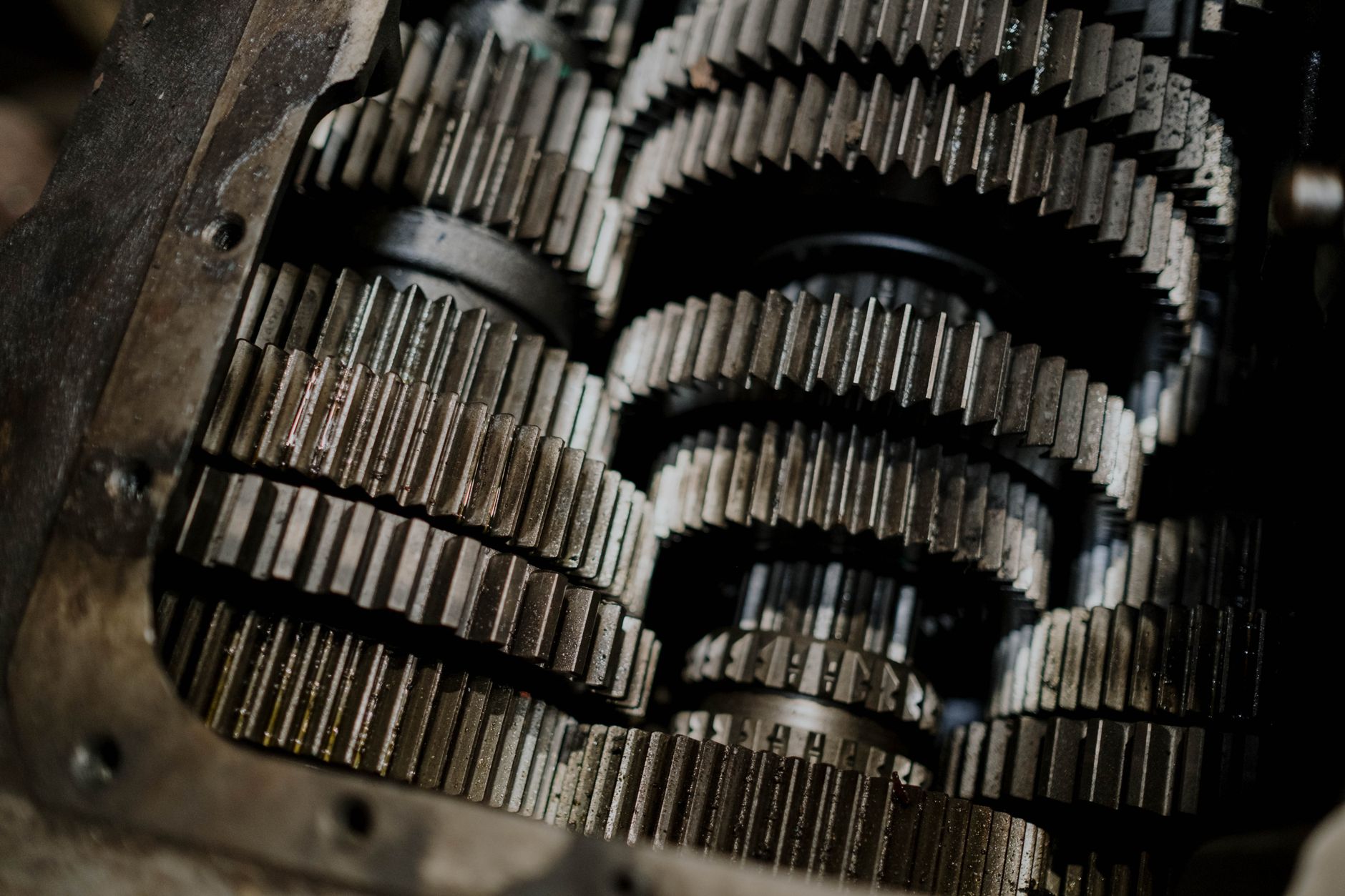
For those that have actually ever before listened to a transmission gripe, beat, or place on out quicker than expected, reaction is typically the surprise culprit. Reaction– the little opening in between meshing equipment tooth– might show up irrelevant, nonetheless it right influences efficiency, sound, and the life-span of your entire drive system.
Obtaining reaction correct is not uncertainty. It needs the best treatments, the appropriate dimension tools, and a steady understanding of resistances. On this details, we’ll walk by the great deal you wish to learn more about readjusting reaction in commercial transmissions, from why it provides to detailed treatments your maintenance labor force can abide by.
What Is Transmission Reaction and Why Does It Issue?
Reaction is the amount of clearance in between the non-working flanks of 2 harmonizing equipment tooth. In simple expressions, it is the little rotational play you’re really feeling while you shake an equipment forwards and in reverse whereas its friend remains nevertheless.
Some reaction is vital. With out it, equipments would certainly bind, produce severe heat, and fall short too soon as a result of metal-to-metal disturbance. Nevertheless a too much quantity of reaction is just as troublesome.
- Inadequate reaction: Creates getting too hot, severe sound, lubrication failure, and rapid tooth placed on.
- A too much quantity of reaction: Lead to perception loading, shock, resonance, and prospective tooth damage.
- Right reaction: Guarantees tidy power transmission, longer component life, and foreseeable performance.
The right amount relies on equipment kind, dimension, component, functioning temperature level, and energy. That is why manufacturers release certain resistance varieties– and why following them concerns.
Widespread Resources of Reaction Variant
Earlier than readjusting something, it assists to understand what triggers reaction to drift out of specification within the starting point. In commercial setups, a variety of components enter play:
- Placed on and tear: Tooth surface areas considerably deteriorate, expanding clearance with time.
- Thermal enhancement: Gearboxes functioning sweltering can alter clearances as steel expands.
- Incorrect conference: Wrong shimming or center range throughout established.
- Birthing placed on: Used bearings make it possible for shafts to change, modifying equipment mesh.
- Real estate distortion: Load-induced flexing can alter equipment positioning.
Acknowledging these reasons assists you identify whether modification alone will certainly fix the problem– or whether component option is the smarter transfer.
Instruments You will certainly Desire for Reaction Dimension
Appropriate modification starts with right dimension. Do not rely on truly feel alone. The following tools are regular in many upkeep stores:
- Dial sign with magnetic base: The profession regular for determining rotational reaction.
- Feeler evaluates: Practical for quick look at larger equipments.
- Lead cord or plastigauge: For determining tooth call patterns.
- Torque wrench: To utilize continuous rotational power throughout dimension.
- Manufacturer’s requirements sheet: Non-negotiable. In any way times reference the OEM resistance.
Ensure your dial sign is adjusted and installed strictly. A unfastened arrangement offers you analyses you perhaps can not idea.
Step-by-Step Reaction Change Refine
Whereas each transmission has unique alternatives, many abide by a similar modification operations. Below is a fundamental procedure that benefits a great deal of commercial transmission arrangements.
Action 1: Lock the Pushed Equipment
Safe the pressed equipment or result shaft so it can not revolve. This develops a collection referral degree for dimension.
Action 2: Mount the Dial Indication
Link the dial sign to the real estate or a stringent component, with its probe calling a tooth flank on the driving equipment. Put it vertical to the tooth flooring for basically one of the most right examining.
Action 3: Shake the Driving Equipment
Delicately revolve the driving equipment forwards and in reverse in the direction of the secured equipment. The complete movement shown on the dial sign is your reaction examining. Take a variety of analyses at totally various elements throughout the equipment to represent eccentricity.
Action 4: Assess In The Direction Of Resistance
Examine your analyses in the direction of the manufacturer’s requirements. On the occasion that they drop inside differ, you are performed. Otherwise, modification is called for.
Tip 5: Control Heart Range or Shimming
Depending in your transmission style, you might both:
- Transfer the equipment centers nearer or further apart using shims or eccentric bearing providers.
- Rearrange the equipment axially if it is a helical or bevel arrangement.
- Replacement used bearings or bushings which can be bring upon shaft imbalance.
Action 6: Re-Measure and Verify
After every modification, re-measure reaction. Little modifications can have a substantial influence, so function incrementally. When you’re inside resistance, examination the tooth call example using noting substance to corroborate right mesh.
Regular Reaction Resistances by Equipment Type
Resistances vary extensively, nevertheless detailed below are some standard reminders you might experience in commercial objectives:
- Stimulate and helical equipments: Typically 0.002″ to 0.010″ per inch of center range, depending on component.
- Bevel equipments: Usually 0.001″ to 0.005″ gauged on the tooth flank.
- Worm equipments: Typically larger, beginning with 0.005″ to 0.030″ depending on dimension and proportion.
- Global transmissions: Usually limited resistances, generally 0.001″ to 0.004″.
In any way times accept the OEM requirements. These numbers are starting elements, not typical standards. Energy, lots, speed, and lubrication all influence the best well worth.
Best Practices to Hold Reaction in Specification
Change is simply half the fight. To preserve reaction inside resistance over the prolonged haul, abide by these behaviors:
- Accomplish typical reaction checks as a component of preventive maintenance.
- Maintain right lubrication– incorrect oil or reduced varieties quicken placed on.
- Screen functioning temperature level; severe heat modifications clearances.
- Doc each dimension so you perhaps can keep track of advancements with time.
- Replacement used bearings previously than they set off equipment imbalance.
These methods not entirely protect your transmission yet in addition cut down unintended downtime and maintenance rates.
Final Thought: Accuracy Settles
Reaction modification is not attractive job, nonetheless it’s most likely one of the most impactful concerns you have the ability to do to secure your commercial transmission financing. By recognizing the reasons, using the appropriate tools, and complying with a regimented dimension and modification procedure, you might extend devices life, cut down sound, and improve complete drive efficiency.
At Silver Eagle Industries, we focus on commercial alternatives and design understandings that maintain your procedures functioning quickly. Whether you desire technological steering, alternate components, or experienced session on transmission maintenance, our labor force has the ability to aid.
Able to maximize your transmission performance? Call Silver Eagle Industries as we talk and allow our designers enable you to call within the accuracy your programs should have.

Industrial writer and engineering enthusiast specializing in rotating equipment maintenance, process engineering, and practical industrial solutions. Dedicated to delivering clear technical guides, troubleshooting advice, and actionable engineering insights to help plant managers, process engineers, and technical professionals optimize equipment efficiency and plant performance.