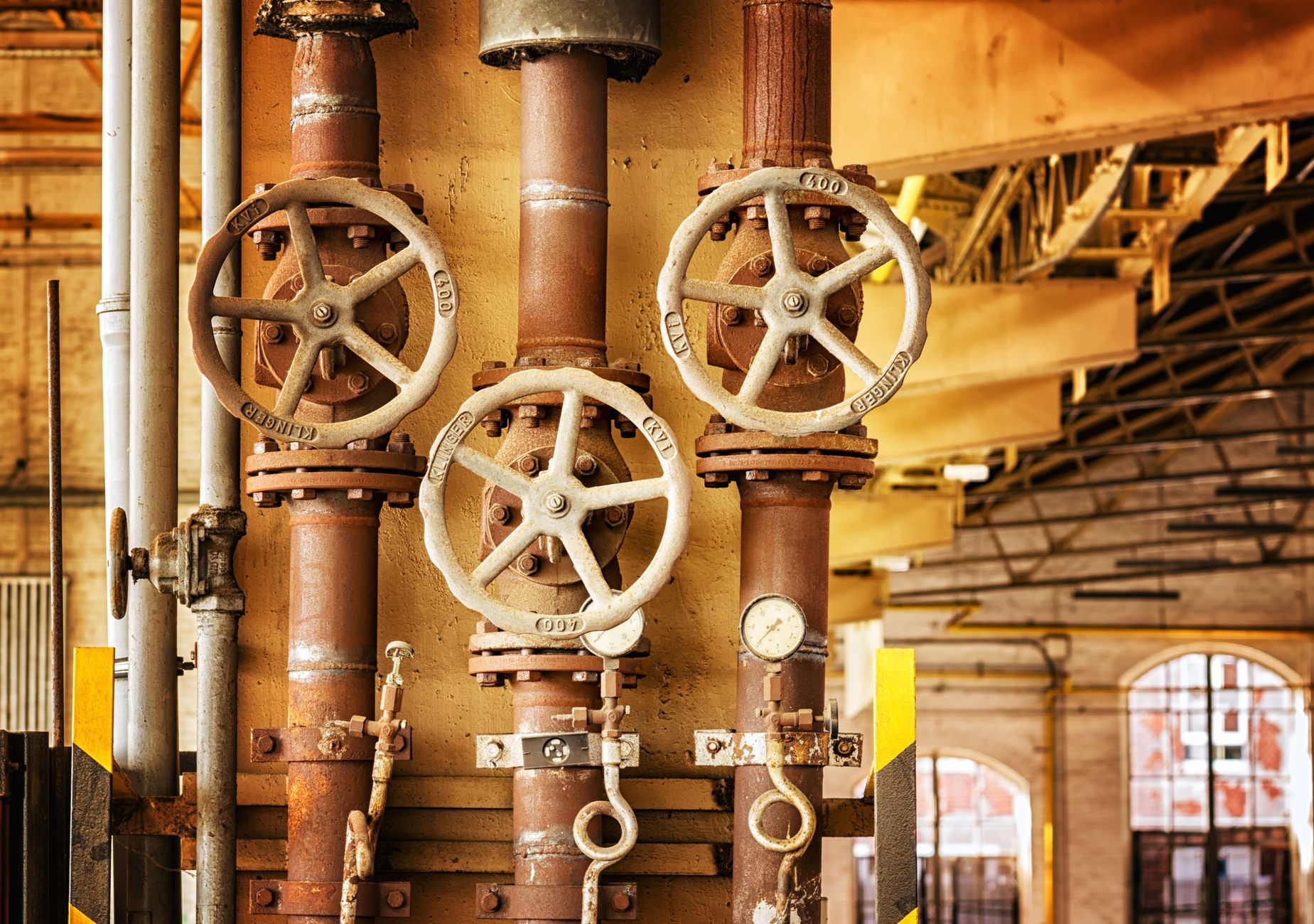
In a chemical plant, piping is more than just a network of tubes moving fluids from one point to another. It is the circulatory system of the entire facility, and when corrosion takes hold, the consequences can range from costly downtime to catastrophic safety incidents. Choosing the right corrosion-resistant material is one of the most critical engineering decisions you will make during design, maintenance, or expansion projects.
In this guide, we will walk through the key factors that influence material selection, the most common corrosion-resistant alloys and materials used in chemical plant piping, and practical strategies to extend the service life of your piping systems.
Why Material Selection Matters in Chemical Plants
Chemical plants handle an enormous variety of aggressive media — acids, alkalis, solvents, chlorides, and high-temperature vapors. Each of these can attack piping through different corrosion mechanisms, including uniform corrosion, pitting, crevice corrosion, stress corrosion cracking, and erosion-corrosion.
A wrong material choice does not simply mean replacing a pipe sooner. It can lead to:
- Safety hazards — leaks of toxic or flammable chemicals endangering personnel and the surrounding community.
- Unplanned shutdowns — production losses that can reach millions of dollars per day.
- Regulatory penalties — non-compliance with environmental and process safety regulations.
- Higher lifecycle costs — frequent repairs and replacements eroding profitability.
This is why material selection must be treated as an engineering discipline, not a purchasing decision based solely on price.
Key Factors That Drive Material Selection
Before specifying a material, engineers must evaluate the full operating context of the piping system. The following factors form the foundation of any sound selection process.
1. Chemical Composition of the Process Fluid
The specific chemicals, their concentrations, and the presence of impurities all determine which materials will resist attack. For example, trace amounts of chlorides can cause pitting in stainless steels that would otherwise perform well.
2. Operating Temperature and Pressure
Corrosion rates often accelerate with temperature. High temperatures can also push materials beyond their mechanical limits or trigger sensitization in stainless steels, reducing their corrosion resistance.
3. Flow Conditions
High-velocity flows can cause erosion-corrosion, particularly in soft materials like copper alloys. Low-flow or stagnant zones, on the other hand, promote crevice corrosion and concentration cell attack.
4. Mechanical and Fabrication Requirements
Welding, bending, and forming all affect a material’s corrosion behavior. Some alloys require post-weld heat treatment to restore corrosion resistance, while others are prone to sensitization at weld heat-affected zones.
5. Cost and Availability
Exotic alloys can be extremely expensive and may have long lead times. A balanced approach considers total cost of ownership, not just the initial purchase price.
Common Corrosion-Resistant Materials for Chemical Plant Piping
The following materials represent the most widely used options in chemical processing environments. Each has strengths and limitations that must be matched to the specific application.
Carbon Steel
Carbon steel is economical and widely available, making it suitable for non-corrosive or mildly corrosive services such as cooling water, steam, and some hydrocarbon streams. However, it requires protective measures like internal linings, coatings, or corrosion inhibitors when exposed to aggressive media.
Stainless Steels
Stainless steels are the workhorses of chemical plant piping. Common grades include:
- 304/304L — general-purpose austenitic stainless steel for mild corrosive environments.
- 316/316L — improved resistance to chlorides and acids due to molybdenum content.
- Duplex and Super Duplex — high strength and excellent resistance to chloride stress corrosion cracking, ideal for seawater and high-chloride services.
- 2205 — a popular duplex grade balancing performance and cost.
Stainless steels perform poorly in reducing acids and can suffer pitting in chloride-rich environments, so careful evaluation is essential.
Nickel Alloys
Nickel-based alloys such as Hastelloy, Inconel, and Monel offer superior resistance to a wide range of aggressive chemicals, including hydrochloric acid, sulfuric acid, and hot alkalis. They are typically specified for the most demanding services where stainless steels fall short.
Titanium and Zirconium
Titanium provides outstanding resistance to oxidizing acids, chlorides, and seawater, making it a top choice for heat exchangers and piping in chlorine-related processes. Zirconium excels in hot sulfuric and hydrochloric acid services but comes at a premium cost.
Non-Metallic Materials
For highly corrosive or ultra-pure applications, non-metallic options may be the best fit:
- PTFE and PFA linings — excellent chemical resistance across a broad spectrum.
- FRP (Fiberglass Reinforced Plastic) — lightweight and resistant to many acids and bases.
- PVDF and PP — cost-effective for moderate temperatures and specific chemical services.
These materials eliminate metallic corrosion entirely but have temperature and pressure limitations that must be respected.
Practical Strategies for Reliable Material Selection
Selecting the right material is not just about reading a corrosion chart. Successful projects combine technical data with practical engineering judgment. Consider these strategies:
- Conduct a corrosion risk assessment — map every piping segment by fluid, temperature, pressure, and flow regime.
- Use corrosion reference data — resources like NACE MR0175/ISO 15156, ASME B31.3, and manufacturer corrosion tables provide valuable guidance.
- Apply corrosion allowances — for carbon steel and some alloys, adding thickness provides a sacrificial margin for expected corrosion rates.
- Consider corrosion inhibitors and coatings — these can extend the life of lower-cost materials when properly managed.
- Pilot-test when uncertain — coupon testing or a small-scale trial can validate material performance before full-scale implementation.
- Plan for inspection and monitoring — ultrasonic thickness testing, corrosion probes, and visual inspections help detect issues early.
- Engage experienced suppliers and engineers — collaboration with material specialists reduces the risk of costly mistakes.
It is also wise to standardize materials across similar services where possible. This simplifies maintenance, reduces spare parts inventory, and improves operator familiarity with the system.
Balancing Performance, Cost, and Safety
There is no single “best” material for chemical plant piping. The right choice depends on the specific chemical environment, operating conditions, and project economics. Over-specifying exotic alloys wastes capital, while under-specifying invites premature failure and safety risks.
The most successful approach is a structured evaluation that weighs corrosion resistance, mechanical properties, fabrication requirements, and lifecycle cost. When in doubt, involve corrosion engineers early in the design phase — their input often pays for itself many times over.
At Silver Eagle Industries, we understand that reliable piping systems are the backbone of safe and efficient chemical operations. Whether you need help evaluating materials, sourcing corrosion-resistant piping components, or developing a long-term asset integrity strategy, our team is ready to support your project from concept to commissioning.
Ready to optimize your chemical plant piping for maximum corrosion resistance? Contact Silver Eagle Industries today and let our engineering experts help you select the right materials for your toughest applications.