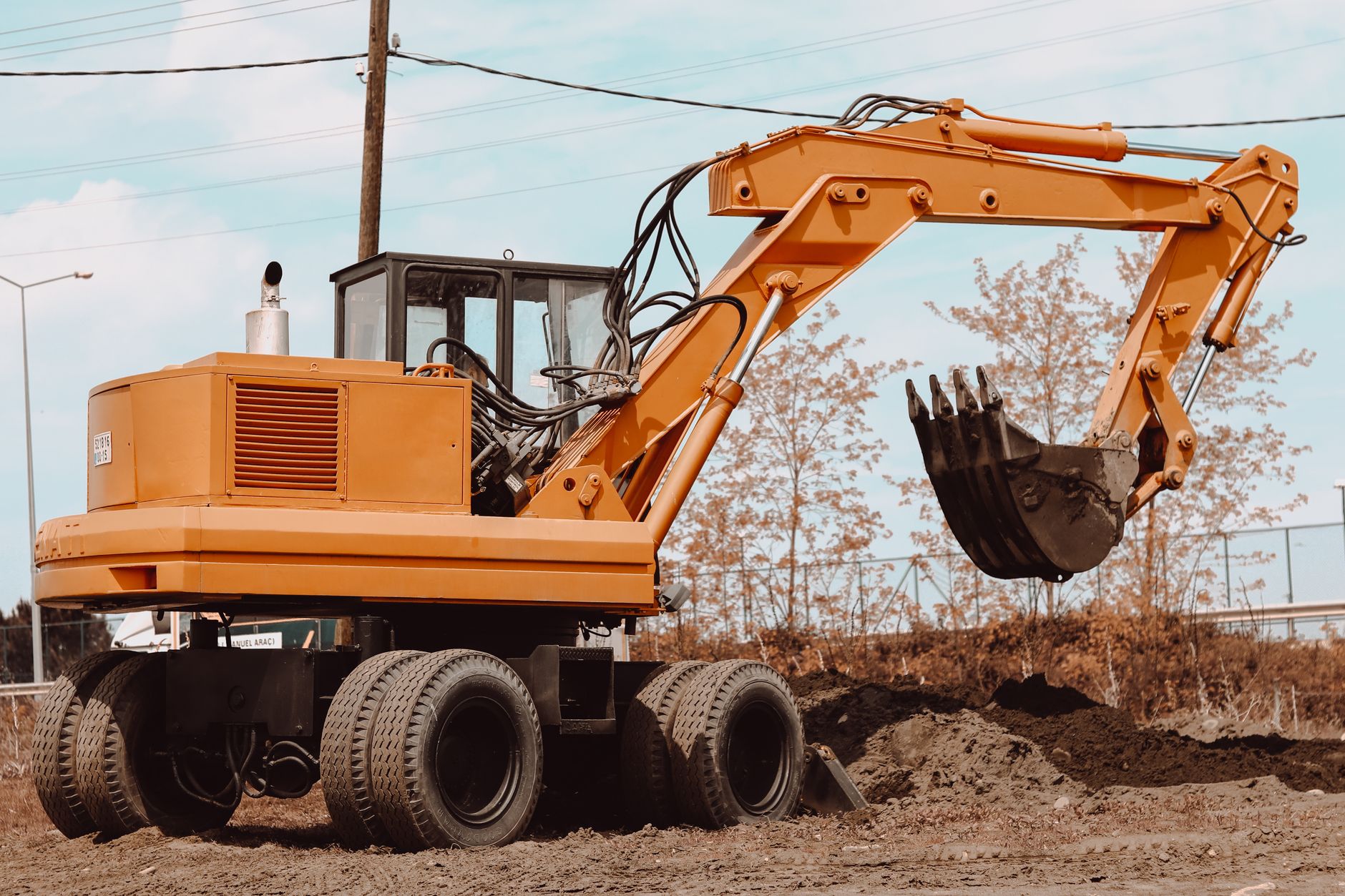
When you walk onto a construction site or into a manufacturing plant, you’re surrounded by machines that move massive loads with seemingly effortless power. Behind that power lies a critical decision every engineer faces: hydraulic or pneumatic systems? Both technologies use fluid to transmit force, but they behave very differently in real-world applications.
Choosing the wrong system can lead to inefficiency, higher maintenance costs, or even safety hazards. In this guide, we’ll break down the key differences between hydraulic and pneumatic systems so you can make an informed choice for your heavy machinery needs.
What Are Hydraulic and Pneumatic Systems?
Before diving into comparisons, let’s clarify what each system actually does.
Hydraulic systems use incompressible liquids — typically oil — to transmit force. Because the fluid can’t be compressed, hydraulic systems deliver immense power with precise control. Think excavators, bulldozers, and hydraulic presses.
Pneumatic systems use compressed air or gas to create motion. Air is compressible, which makes these systems faster but less precise under heavy loads. You’ll find them in pneumatic tools, braking systems on trucks, and automated assembly lines.
Both rely on Pascal’s principle: pressure applied to a confined fluid transmits equally in all directions. The difference lies in the medium — and that changes everything.
Key Differences: Hydraulic vs Pneumatic Systems
1. Power and Force Output
Hydraulic systems win hands-down when it comes to raw force. Because oil is nearly incompressible, hydraulic cylinders can generate thousands of pounds of force in a compact package. This is why they dominate in heavy lifting, digging, and crushing applications.
Pneumatic systems, by contrast, produce less force. Compressed air tends to compress under load, limiting their ability to handle extreme weights. They’re better suited for lighter tasks like clamping, packaging, or powering hand tools.
2. Precision and Control
If you need smooth, controlled movement, hydraulics are the clear choice. The incompressible nature of hydraulic fluid allows for fine-tuned speed and position control, essential for tasks like operating a crane or positioning a robotic arm.
Pneumatics tend to be jerky and less precise. Air compresses and expands unpredictably, making it hard to achieve exact positioning. However, for simple on/off operations, pneumatics work perfectly well.
3. Speed of Operation
Here’s where pneumatics shine. Compressed air moves quickly through lines, allowing pneumatic systems to operate at much higher speeds than hydraulic ones. This makes them ideal for high-cycle applications like automated sorting or packaging lines.
Hydraulics are slower by nature because oil is heavier and resistance is higher. But that slower speed often translates into more controlled, powerful motion — a trade-off worth considering.
4. Maintenance and Cost
Hydraulic systems require more maintenance. Oil leaks, filter changes, and fluid disposal are ongoing concerns. They’re also more expensive upfront due to the complexity of pumps, valves, and reservoirs.
Pneumatic systems are generally cheaper to install and maintain. Air is free and abundant, and leaks are less messy (though they still waste energy). However, compressors can be energy-hungry, and air treatment (drying, filtering) adds hidden costs.
5. Safety and Environmental Impact
Hydraulic fluid is flammable, toxic, and environmentally hazardous if spilled. High-pressure hydraulic lines can also cause severe injuries if they rupture. Proper training and regular inspections are non-negotiable.
Pneumatics are cleaner and safer in most environments. Compressed air isn’t flammable, and leaks don’t create hazardous waste. That said, pneumatic systems can be noisy and still pose risks if pressurized components fail.
When to Choose Hydraulic Systems
Opt for hydraulics when your application demands:
- High force output — excavators, cranes, presses
- Precise control — robotics, aerospace, marine equipment
- Heavy-duty cycles — mining, construction, steel mills
- Compact power — where space is limited but force is critical
In short, if the job involves moving serious weight with accuracy, hydraulics are your best bet.
When to Choose Pneumatic Systems
Pneumatics make more sense when you need:
- High-speed operation — assembly lines, packaging
- Lightweight tasks — clamping, pick-and-place, tools
- Clean environments — food processing, pharmaceuticals
- Lower upfront costs — small-scale automation
If speed and simplicity matter more than raw power, pneumatics deliver excellent value.
Hybrid Systems: The Best of Both Worlds?
Modern engineering often blends both technologies. Hydro-pneumatic systems combine compressed air with hydraulic fluid to achieve fast actuation and high force. You’ll find these in advanced braking systems, suspension systems, and some industrial presses.
These hybrids are more complex and costly, but they offer flexibility that neither system can match alone. As automation and precision demands grow, expect to see more of these integrated solutions.
Final Thoughts: Making the Right Choice
There’s no universal winner in the hydraulic vs pneumatic debate. The right choice depends entirely on your application’s needs — force, speed, precision, budget, and environment all play a role.
If you’re moving mountains, go hydraulic. If you’re moving products quickly and cleanly, go pneumatic. And if you need both, consider a hybrid approach.
At Silver Eagle Industries, we specialize in helping businesses select, install, and maintain the right industrial systems for their operations. Whether you’re upgrading existing equipment or designing from scratch, our engineering team can guide you every step of the way.
Ready to optimize your heavy machinery? Contact Silver Eagle Industries today for a consultation and discover which system will power your success.