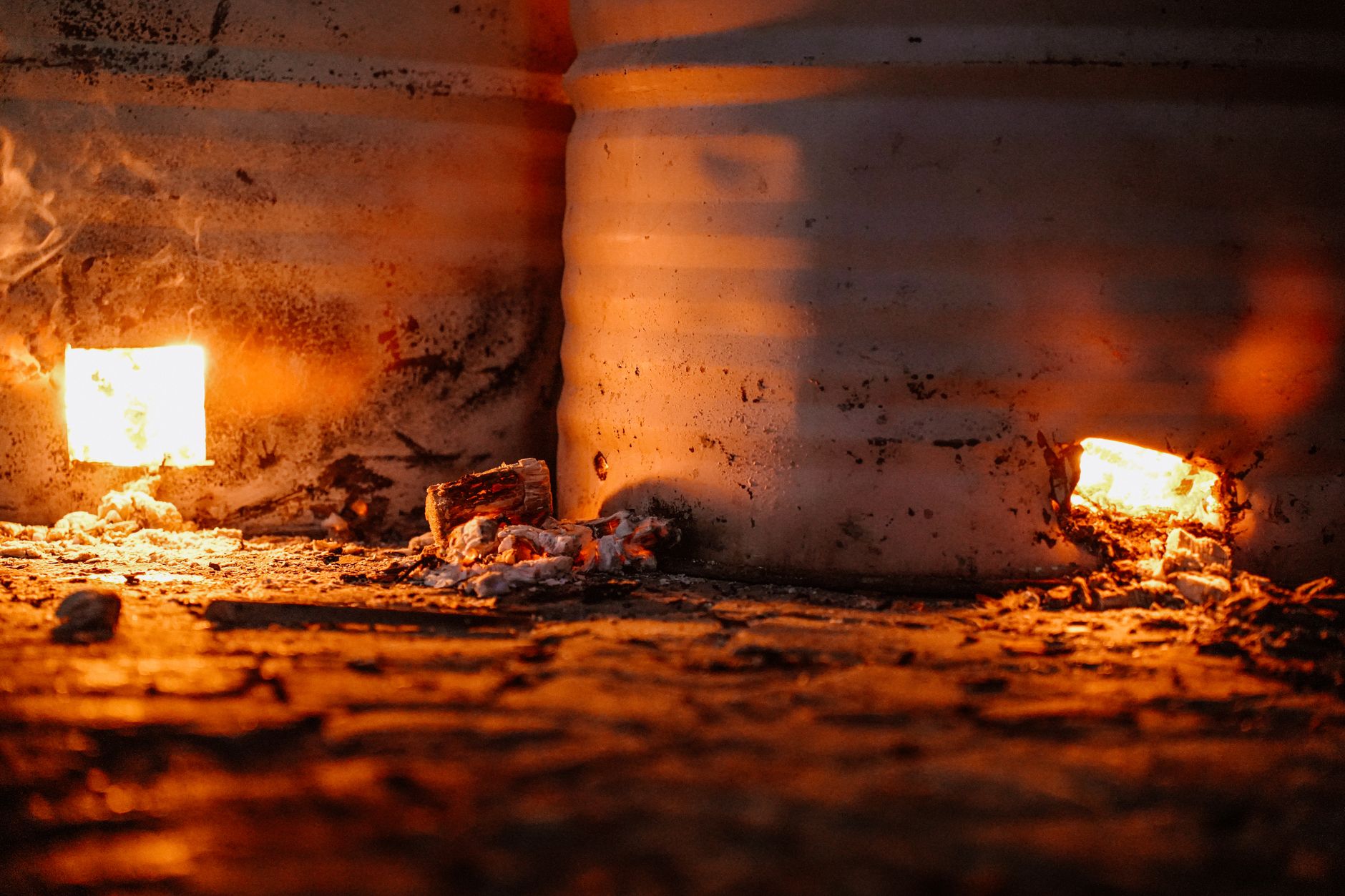
Industrial furnaces function in among the harshest situations conceivable — excessive temperatures, chemical assault, thermal biking, and mechanical stress. On the coronary heart of each furnace’s reliability is its refractory lining. Select the fitting materials and set up it accurately, and also you get years of reliable service. Get it mistaken, and also you face unplanned shutdowns, security dangers, and expensive repairs.
On this information, we’ll stroll via the important thing components in refractory lining choice and share sensible methods to stop untimely failure in your industrial furnace.
Why Refractory Lining Choice Issues
The refractory lining serves a number of essential capabilities in an industrial furnace. It protects the metal shell from excessive warmth, insulates to enhance energy efficiency, and incorporates molten supplies and gases. A well-selected lining straight impacts operational uptime, gas consumption, and office security.
Sadly, many furnace failures hint again to poor material selection or mismatched working assumptions. Understanding your furnace’s particular atmosphere is step one towards getting it proper.
Key Elements in Selecting the Proper Refractory Materials
No single refractory works for each software. Choice is dependent upon a cautious stability of thermal, chemical, and mechanical necessities. Contemplate these components:
- Most working temperature: Match the refractory’s temperature ranking to your hottest sustained situation, not simply the typical.
- Chemical atmosphere: Slag, molten metallic, and flue gases can assault particular supplies. Silica, alumina, and magnesia-based refractories every resist completely different chemistries.
- Thermal biking: Furnaces that warmth and funky incessantly want supplies with excessive thermal shock resistance.
- Mechanical masses: Abrasion from charged supplies and mechanical influence require dense, wear-resistant linings.
- Ambiance: Oxidizing, lowering, or vacuum situations affect which refractories stay secure.
Widespread Refractory Materials Sorts
Understanding the principle classes helps slim your choices:
- Fireclay and alumina refractories: Versatile and cost-effective for reasonable temperatures and normal furnace purposes.
- Silica refractories: Wonderful for high-temperature glass furnaces and coke ovens, however delicate to thermal shock.
- Magnesia and dolomite: Splendid for primary steelmaking environments the place resistance to primary slags is important.
- Chromite and spinel refractories: Robust chemical resistance for demanding non-ferrous and cement purposes.
- Monolithic and castable refractories: Provide design flexibility and simpler set up for complicated geometries.
Widespread Causes of Refractory Lining Failure
Even the perfect materials can fail if situations aren’t managed correctly. Recognizing the everyday failure modes helps you deal with root causes reasonably than signs.
- Thermal shock: Speedy temperature adjustments trigger cracking and spalling, particularly in dense supplies.
- Chemical corrosion: Slag penetration and fuel reactions regularly dissolve the liner.
- Mechanical abrasion: Charging scrap, shifting components, and materials circulate erode surfaces over time.
- Improper set up: Poor growth joints, insufficient curing, or incorrect anchoring result in early failures.
- Overheating: Exceeding design temperatures accelerates put on and might trigger structural collapse.
Prevention Methods That Prolong Lining Life
Stopping refractory failure is much cheaper than repairing it. A proactive strategy combines sensible design, disciplined operation, and common inspection.
1. Design and Set up Greatest Practices
Work with skilled engineers to match lining design to precise working situations. Guarantee correct growth allowances, right anchor spacing, and applicable curing and dry-out schedules. Speeding set up is likely one of the most typical causes of untimely failure.
2. Management Working Situations
Keep constant heating and cooling charges throughout the refractory’s tolerance. Keep away from sudden temperature spikes and reduce pointless thermal biking. Operators ought to perceive the boundaries of the liner and respect them.
3. Implement Common Inspections
Scheduled inspections catch put on earlier than it turns into catastrophic. Search for cracks, spalling, scorching spots on the shell, and slag buildup. Thermal imaging and laser scanning can reveal points invisible to the bare eye.
4. Carry out Well timed Upkeep
Small repairs forestall massive failures. Patch minor cracks, change worn sections throughout deliberate outages, and preserve detailed data of wear and tear patterns to refine future materials selections.
5. Select the Proper Associate
Collaborating with a provider who understands your course of — not simply the product — makes a measurable distinction. Technical assist throughout choice, set up, and upkeep pays dividends over the furnace’s lifecycle.
Conclusion: Reliability Begins with the Proper Lining
Industrial furnace refractory lining choice is each a science and a strategic determination. By matching supplies to your working atmosphere, controlling thermal and chemical situations, and committing to common inspection and upkeep, you may dramatically prolong lining life and shield your operation from expensive downtime.
At Silver Eagle Industries, we assist producers choose, set up, and preserve refractory options engineered for demanding industrial environments. Whether or not you are designing a brand new furnace or troubleshooting recurring failures, our workforce is able to assist.
Contact Silver Eagle Industries in the present day to debate your refractory challenges and uncover how the fitting lining technique can enhance your furnace’s efficiency, effectivity, and lifespan.

Industrial writer and engineering enthusiast specializing in rotating equipment maintenance, process engineering, and practical industrial solutions. Dedicated to delivering clear technical guides, troubleshooting advice, and actionable engineering insights to help plant managers, process engineers, and technical professionals optimize equipment efficiency and plant performance.