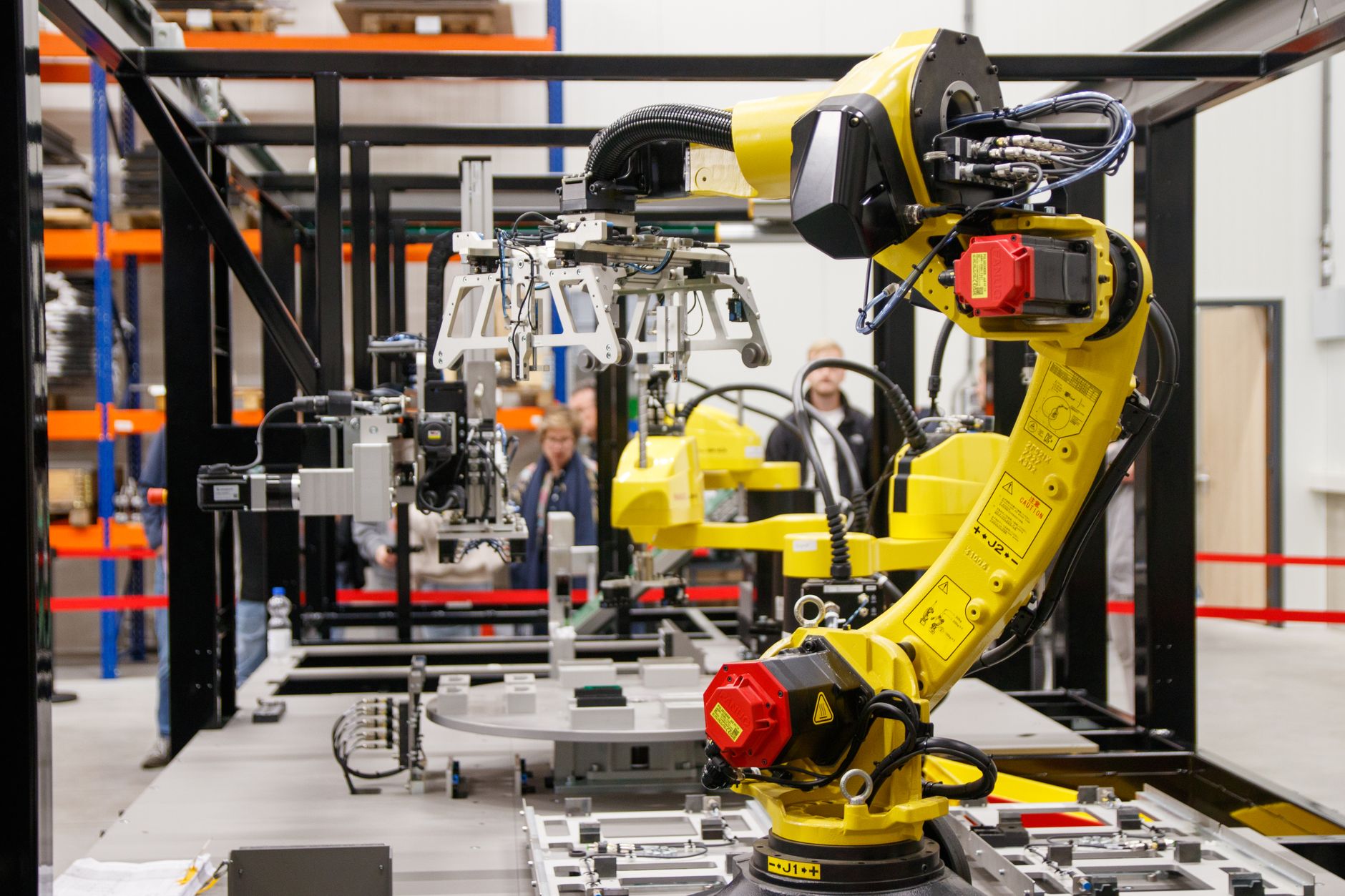
Choosing an industrial automation system is one of the most consequential decisions a factory will ever make. Get it right, and you unlock higher throughput, consistent quality, and lower operating costs for years. Get it wrong, and you are stuck with expensive equipment that never quite fits your processes.
With dozens of vendors, platforms, and architectures competing for your attention, the selection process can feel overwhelming. This guide walks you through a practical, step-by-step approach to picking an automation system that matches your factory’s real needs — not just the latest trends.
Start With a Clear Assessment of Your Current Operations
Before you talk to a single vendor, you need an honest picture of where your factory stands today. Automation amplifies whatever processes you already have — including the inefficient ones.
Begin by mapping your production flow from raw material intake to finished goods. Identify where bottlenecks occur, where manual intervention slows things down, and where quality defects most frequently appear.
- Cycle times: Which stations consistently fall behind takt time?
- Labor intensity: Where are repetitive or ergonomically risky tasks concentrated?
- Quality data: Which processes generate the most scrap, rework, or customer complaints?
- Downtime: What are the top causes of unplanned stoppages?
This assessment becomes your baseline. Every automation proposal you evaluate later should be measured against it.
Define Your Automation Goals and Success Metrics
Automation is a tool, not a strategy. You need to know what outcome you are chasing before you can judge whether a system delivers it.
Common goals include increasing output capacity, improving product consistency, reducing reliance on scarce skilled labor, or meeting new safety and compliance requirements. Each goal points toward different technical priorities.
Set measurable targets
Vague ambitions like “become more efficient” lead to vague purchasing decisions. Instead, commit to numbers: reduce defect rate by 30%, increase line throughput by 15%, or cut changeover time from 45 minutes to 10.
These targets also give you a fair way to compare vendor proposals. A system that costs more but directly hits your key metric may be far cheaper in the long run than a bargain option that only partially solves the problem.
Understand the Main Types of Automation Systems
Industrial automation is not a single product. It spans several categories, and most factories end up combining more than one.
- Fixed (hard) automation: Dedicated machinery built for one high-volume task. Excellent for stable, repetitive production, but inflexible to change.
- Programmable automation: Systems like PLC-controlled cells that can be reprogrammed for different products. A good middle ground for batch manufacturing.
- Flexible (soft) automation: Robotic and modular systems that handle frequent product changes with minimal retooling. Ideal for high-mix, low-volume environments.
- Integrated automation: Plant-wide architectures that connect machines, sensors, and software through a common control and data layer.
Your production profile — volume, variety, and how often products change — should drive which category you prioritize. A factory running one product 24/7 has very different needs from a job shop producing 200 variants a month.
Evaluate Scalability, Integration, and Compatibility
A good automation system should fit your factory not just today, but in five years. Scalability and integration are where many purchases quietly fail.
Scalability
Ask vendors how their system expands. Can you add another robot cell, conveyor zone, or inspection station without ripping out the control architecture? Modular designs cost more upfront but save enormously during growth phases.
Integration with existing equipment
Most factories are not greenfield sites. Your new system must communicate with legacy machines, MES or ERP software, and quality databases. Check which communication protocols are supported — EtherNet/IP, PROFINET, Modbus TCP, and OPC UA are the most common in modern plants.
Data and analytics capability
Modern automation generates valuable data. Make sure the system can export or stream that data in a usable format. Real-time dashboards and predictive maintenance insights often deliver returns that rival the automation itself.
Consider Total Cost of Ownership, Not Just Purchase Price
The sticker price is only the beginning. Total cost of ownership (TCO) includes installation, training, spare parts, software licenses, maintenance contracts, and downtime during commissioning.
- Installation and commissioning: Often 15–30% of the equipment cost.
- Training: Your operators and maintenance techs need real, hands-on preparation.
- Spare parts and service: Are components readily available, or shipped from overseas?
- Software and licensing: Some platforms charge recurring fees per seat or per machine.
- Energy and utilities: Robots, compressors, and vision systems all draw power.
Build a simple TCO model over five to seven years for each option. The cheapest system to buy is rarely the cheapest to own.
Partner With a Vendor You Can Actually Work With
Technology matters, but so does the relationship. Automation projects involve months of engineering, installation, and troubleshooting. A responsive partner makes that journey dramatically smoother.
Look for vendors with proven experience in your industry, local service coverage, and a clear support escalation path. Ask for references from factories similar to yours and actually call them. Ask hard questions about response times and how problems were resolved.
Also assess whether the vendor treats your team as a partner or just a buyer. The best suppliers train your staff, document their work, and help you build internal capability rather than locking you into dependency.
Run a Pilot Before You Commit Plant-Wide
Whenever possible, pilot the system on a single line or cell before rolling it out across the factory. A pilot exposes real-world issues — integration quirks, operator learning curves, unexpected downtime — while the stakes are still low.
Set clear success criteria for the pilot and review them honestly. If the numbers do not match the proposal, that is valuable information before you sign a plant-wide contract.
Conclusion: Match the System to Your Reality
Selecting the right industrial automation system comes down to discipline. Assess your operations honestly, define measurable goals, understand the automation categories available, and weigh scalability, integration, and total cost of ownership carefully. Then pilot before you scale.
Do this well, and automation becomes a durable competitive advantage rather than an expensive experiment.
Ready to take the next step? Contact Silver Eagle Industries today to discuss your factory’s automation goals and get expert guidance on selecting a system that fits your processes, your people, and your budget.