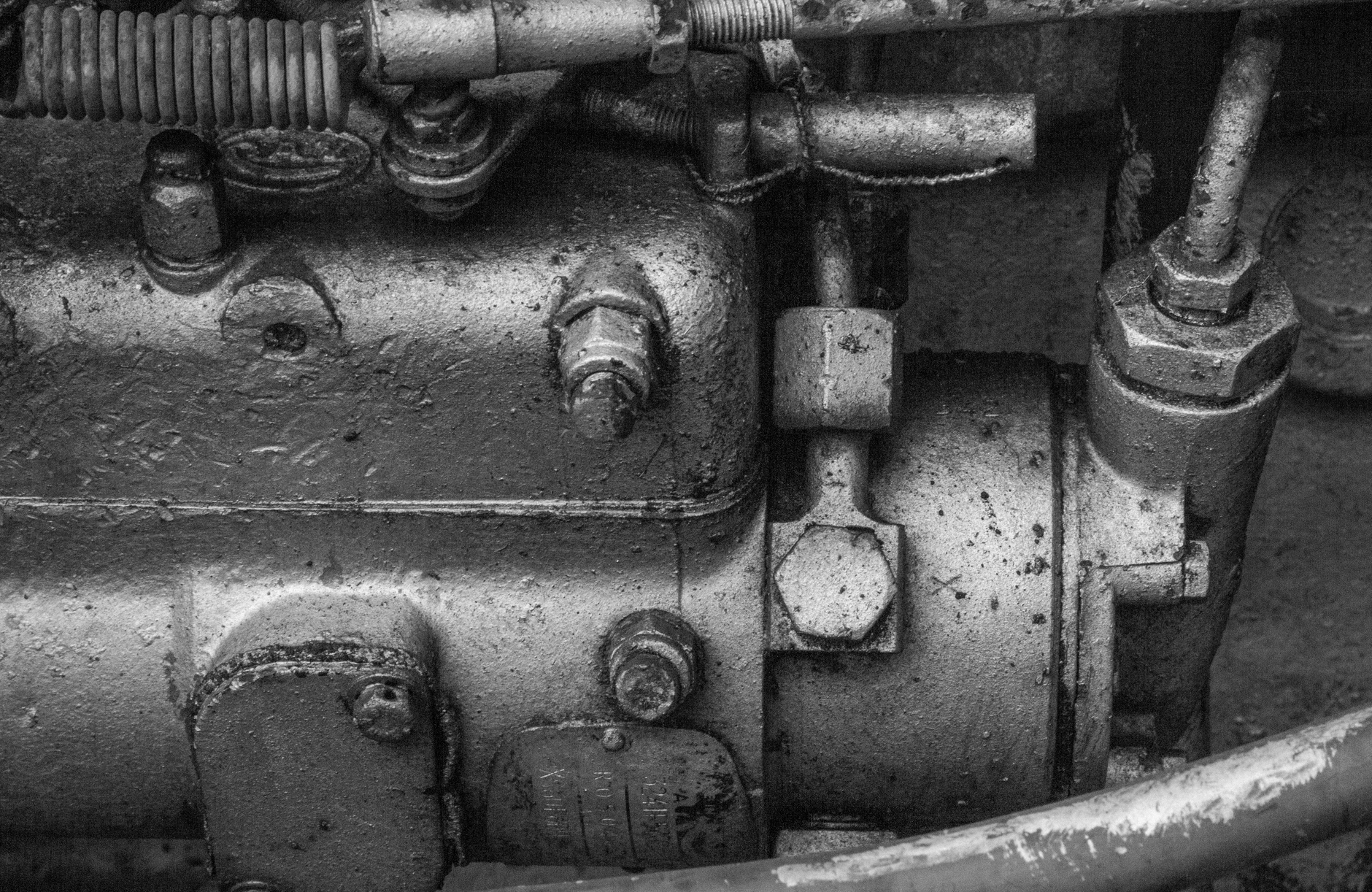
Rotating equipment keeps modern industry moving. Motors, pumps, gearboxes, compressors, and bearings work around the clock to drive production. Yet, despite their importance, many of these machines fail prematurely due to one simple oversight: poor lubrication. In fact, studies consistently show that improper lubrication causes up to 50% of all bearing failures in industrial settings.
If you manage a plant, oversee maintenance, or operate rotating machinery, mastering lubrication best practices isn’t optional—it’s essential. This guide walks you through proven strategies to extend equipment life, reduce downtime, and cut maintenance costs.
Why Lubrication Matters More Than You Think
Lubrication isn’t just about making parts “slippery.” It serves several critical functions in rotating equipment:
- Reduces friction between moving surfaces, preventing wear and heat buildup.
- Carries away heat generated during operation.
- Protects against corrosion by forming a barrier against moisture and contaminants.
- Removes debris by suspending particles until they can be filtered out.
- Seals out contaminants like dust and water in certain applications.
When lubrication fails, friction rises, temperatures spike, and metal-to-metal contact occurs. The result? Accelerated wear, unexpected breakdowns, and costly repairs.
Choose the Right Lubricant for the Job
Not all lubricants are created equal. Using the wrong type—or the wrong viscosity—can do more harm than good. Here’s how to select wisely.
Understand Viscosity
Viscosity is the single most important property of any lubricant. It determines how well the oil or grease maintains a protective film under load and speed conditions. As a rule of thumb:
- High speed, low load: Use lower viscosity lubricants.
- Low speed, high load: Use higher viscosity lubricants.
- High temperature: Choose lubricants with a high viscosity index (VI) for stability.
Always consult your equipment manufacturer’s recommendations. They’ve done the engineering homework—trust their specifications.
Grease vs. Oil
Grease is ideal for sealed bearings, hard-to-reach areas, and applications where oil would leak. Oil is better for high-speed, high-temperature, or systems requiring heat dissipation and filtration. Match the lubricant type to the application, not the other way around.
Proper Lubrication Application Techniques
Even the best lubricant fails if applied incorrectly. Follow these practices to get it right every time.
Use the Correct Amount
Over-lubrication is just as damaging as under-lubrication. Too much grease increases churning, raises operating temperatures, and can blow seals. Too little causes metal-to-metal contact. Follow manufacturer fill volumes and use measuring tools—never “eyeball” it.
Maintain Cleanliness
Contamination is the enemy of lubrication. A single gram of dirt can destroy a bearing. Always:
- Clean grease fittings and oil ports before servicing.
- Use dedicated, sealed containers and transfer equipment.
- Store lubricants in a clean, dry, temperature-controlled area.
- Never mix different lubricant brands or types without consulting a specialist.
Follow a Schedule—and Stick to It
Reactive lubrication (greasing only when something squeaks) is a recipe for failure. Instead, build a preventive lubrication schedule based on:
- Manufacturer recommendations.
- Operating conditions (temperature, speed, load, environment).
- Historical equipment performance data.
Use a CMMS (Computerized Maintenance Management System) to track intervals, assignments, and completion. Automation tools like single-point lubricators can also ensure consistent delivery between manual services.
Monitor, Analyze, and Improve
Lubrication isn’t a “set it and forget it” task. It requires ongoing monitoring and adjustment.
Condition Monitoring
Implement these techniques to catch problems early:
- Vibration analysis: Detects bearing wear and misalignment.
- Thermography: Spots overheating components.
- Oil analysis: Identifies contamination, viscosity changes, and wear metals.
- Ultrasound: Hears early signs of inadequate lubrication.
These tools help you move from reactive to predictive maintenance—saving time and money.
Train Your Team
Your lubrication program is only as good as the people executing it. Invest in training for technicians on:
- Lubricant selection and compatibility.
- Proper application methods.
- Contamination control.
- Record-keeping and reporting.
A knowledgeable team prevents mistakes that lead to equipment failure.
Common Lubrication Mistakes to Avoid
Even experienced teams fall into these traps. Watch out for:
- Mixing incompatible lubricants — can cause thickening, separation, or loss of additives.
- Using dirty tools — introduces particles directly into bearings.
- Ignoring temperature limits — causes premature breakdown of base oils and additives.
- Over-greasing motor bearings — a leading cause of premature motor failure.
- Skipping documentation — makes it impossible to track trends or improve.
Avoiding these pitfalls alone can dramatically improve equipment reliability.
Building a World-Class Lubrication Program
A structured lubrication program pays for itself many times over. Here’s a quick roadmap:
- Inventory your equipment and identify all lubrication points.
- Standardize lubricants to reduce variety and error.
- Create written procedures for each machine type.
- Train and assign responsibilities clearly.
- Implement monitoring and feedback loops.
- Review and refine your program annually.
Companies that adopt this disciplined approach often see downtime reductions of 20–30% and significant extensions in equipment life.
Final Thoughts
Lubrication is one of the most cost-effective reliability strategies available to any industrial operation. By selecting the right lubricant, applying it correctly, maintaining cleanliness, and monitoring performance, you protect your rotating equipment from the inside out.
Don’t wait for a failure to force your hand. Start improving your lubrication practices today—your machines, your budget, and your uptime will thank you.
Ready to take your maintenance program to the next level? Explore our industrial solutions and engineering insights at Silver Eagle Industries, or contact our team to discuss a tailored lubrication strategy for your facility.